About HCD 2.0
Who We Are
Under the leadership of President Bola Ahmed Tinubu and Vice President Kashim Shettima, Nigeria is redefining its commitment to investing in people as the true measure of national progress. The administration has placed human capital at the center of its renewed hope agenda, recognizing that no economy can rise above the quality of its people.
Guiding Principles
Mission, Vision & Core Values
π―
Our Mission
To unite governments and stakeholders to transform Nigeriaβs human capital by advancing education, healthcare, productivity, and skills to boost well-being and global workforce participation.
π±
Our Vision
A healthy and inclusive Nigeria with an educated workforce, advancing sustainable development, social stability and resilience through HCD-focused strategies by 2030
Core Values
What Drives Our Work
βοΈ
Accountability
π
Transparency
π€
Collaboration
π‘
Innovation
π
Evidence-Based Decisions
π₯
People-Centred Delivery
π
Equity & Inclusion
Our Pillars
Three Pillars of Action
HCD 2.0 is structured around three interconnected pillars that collectively address the full lifecycle of human capital investment.
β€οΈ
Health
Improving maternal and child health, reducing stunting, expanding access to primary healthcare, and strengthening nutrition outcomes, especially in the first 1,000β2,000 days of life. We are tracking these seven key indicators to measure our progress toward 2030.
Indicator
Nigeria Value
Target
Fertility Rate
4.8
~2.0 children/woman
Maternal Mortality
512
40β100 per 100k births
Under-5 Mortality
110
40β50 per 1k births
Under-5 Stunting
39.5%
25% or lower
Life Expectancy at Birth
63 yrs
70 years
Government Health Expenditure
4.1%
Above 4.5% of GDP
Child Marriage
30%
15-20%
- Far from Target
- Needs Progress
- Near Target
π
Education & Learning
Enhancing school readiness, improving foundational literacy and numeracy, increasing access to quality basic education, and reducing out-of-school children.
Indicator
Nigeria Value
Target
Expected Years of Schooling
10.2 yrs
Above 11 years
Mean Years of Schooling
No data
~8 years
Youth Literacy Rate
78%
95β98%
Harmonized Test Scores
309
Top 80 HCI rank
Out-of-School Children (primary)
25.6%
Below 10%
Pupil-to-Trained Teacher Ratio
No data
30:1
Govt. Education Expenditure
5.4%
15-20%
- Far from Target
- Needs Progress
- Near Target
- No Data
βοΈ
Labour Force Participation & Livelihoods
Expanding skills development, aligning education with labor market needs, and creating pathways for youth employment and productivity
Indicator
Nigeria Value
Target
GNI per Capita, (PPP)
$6,200
$13,000β$16,000
Youth Not in Employment, Education, or Training (Youth NEET)
14.4%
Below 10%
Unemployment Rate
5.3%
3.5%
Employment- to-Population Ratio
73.2%
70β75%
Informal Employment Rate
92.7%
50% or lower
- Far from Target
- Needs Progress
- Near Target
Cross-Cutting Themes
Ensuring that women, men, and vulnerable groups including persons with disabilities, can participate in and benefit from development programmes.

Supporting the expansion of digital tools, fintech solutions, and financial services so that more Nigerians can participate in the digital economy, access financial services, and build sustainable livelihoods.

Promoting access to nutritious food to support healthy growth, better learning outcomes, and a more productive workforce.
Organogram
Organisational Structure
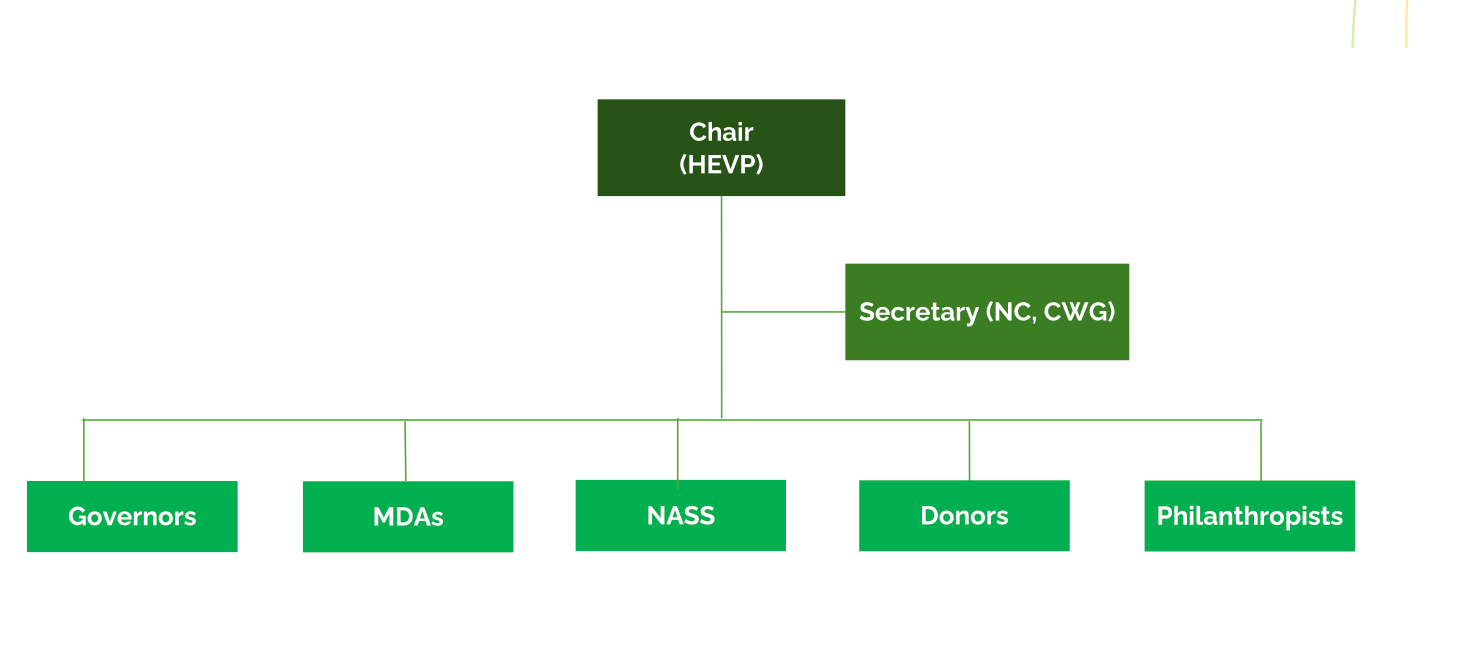
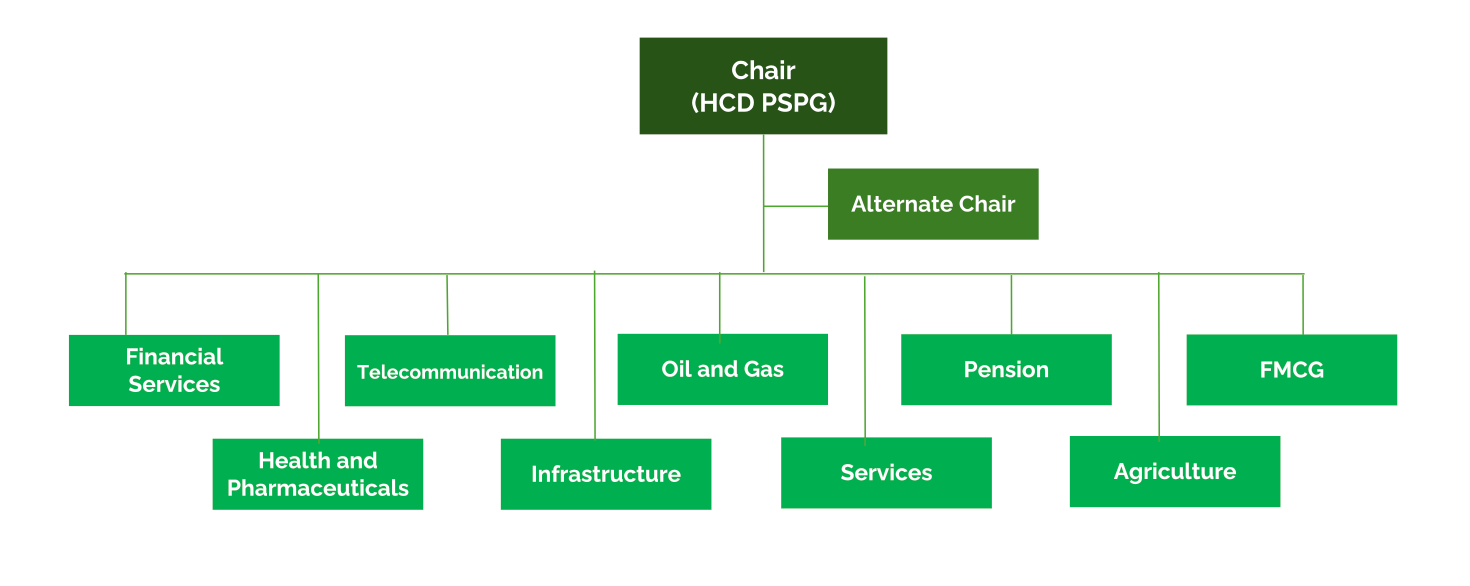
HCD Nigeria 2.0 operates through a deliberately inclusive governance architecture that includes five bodies spanning the highest level of government to community champions.
NEC HCD Steering Committee
The Steering Committee, chaired by His Excellency the Vice President, Sen. Kashim Shettima, includes the Senate President, Speaker of the House of Representatives, Honourable Ministers of key thematic ministries, departments and agencies, Governors representing each geopolitical zone, heads of development agencies, philanthropists and private sector organisations.
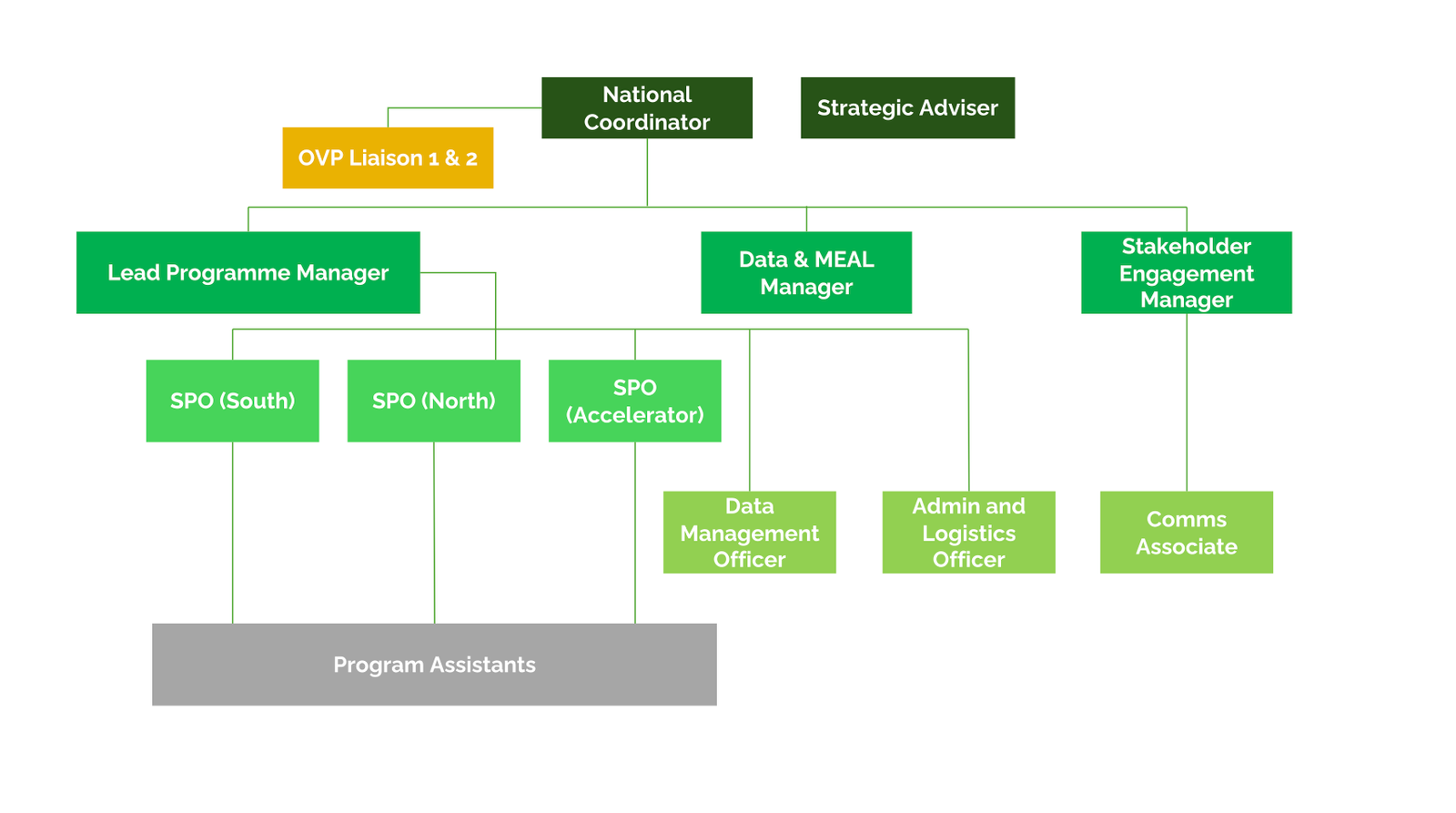
The CWG HCD Secretariat
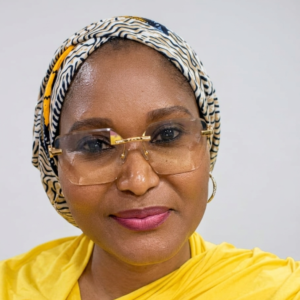
Leading the national charge for Human Capital Development (HCD), the National Coordinator orchestrates the design and implementation of Nigeriaβs human capital priorities. In this capacity, she connects state governments, development partners, and the private sector to accelerate measurable improvements in Nigeriaβs health, education, and economic productivity.
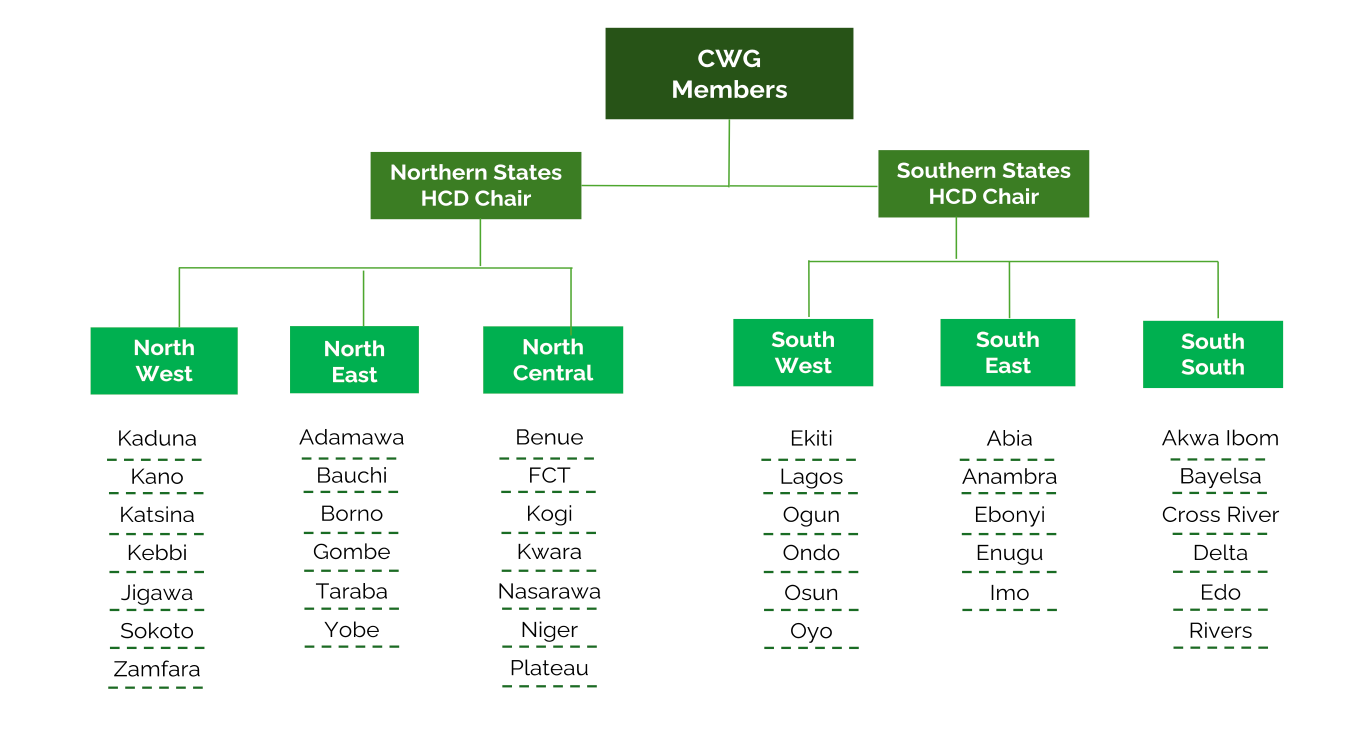
Focal Persons Forum (FPF)
All 37 State HCD Focal Persons (36 states + FCT) in six geopolitical zone subgroups. This is the operational backbone of state-level HCD implementation.
The forum collaborates, shares knowledge and experiences, and collectively advances the implementation of Nigeria’s Human Capital Development (HCD) Strategy.
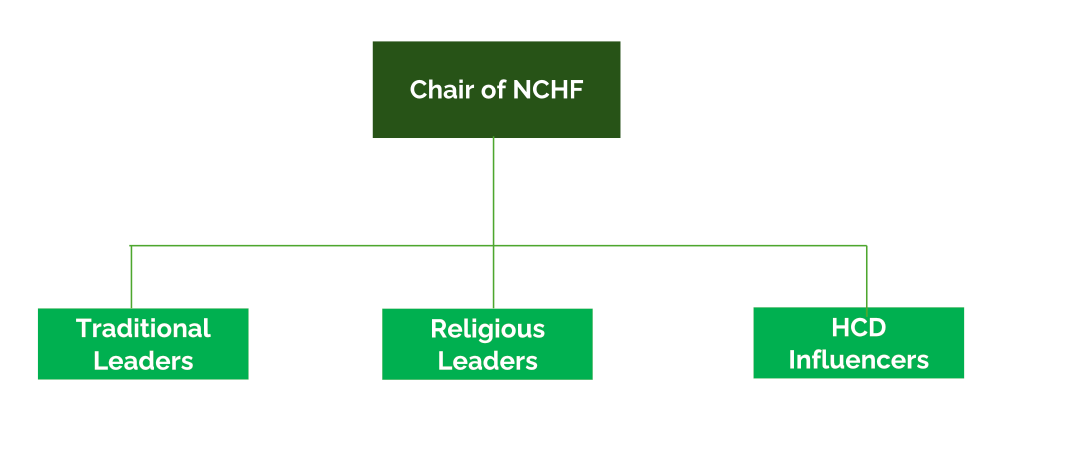
National HCD Champions Forum (NHCF)
HCD Secretariat Management Team
Programme Leadership
The National HCD Secretariat is led by dedicated professionals with deep expertise in human capital development and government coordination.
His Excellency, Vice President Kashim Shettima (GCON)
The Vice President of the Federal Republic of Nigeria and Chairman, National Economic Council (NEC)
A seasoned agricultural economist and former two-term Governor of Borno State, he leads the nation’s economic coordination and plays a pivotal role in driving Nigeriaβs human capital development strategies under the Renewed Hope agenda.
Senator Ibrahim Hassan Hadejia
Deputy Chief of Staff (DCOS) to the President and Chair of the HCD Core Working Group (CWG)
Senator Hadejia brings a multidimensional leadership background to the HCD Core Working Group, bridging top-tier executive governance, legislative experience, and private-sector legal and financial acumen.
He has a long-standing focus on institutional development, international partnerships, and grassroots infrastructure.
Ms. Rukaiya El-Rufai
National Coordinator, Human Capital Development and Special Adviser to the President National Economic Council and Climate Change.
Leading the national charge for Human Capital Development (HCD), the National Coordinator orchestrates the design and implementation of Nigeriaβs human capital priorities. In this capacity, she connects state governments, development partners, and the private sector to accelerate measurable improvements in Nigeriaβs health, education, and economic productivity.
HCD Core Working Group (CWG) Subcommittees
Prof Muhammad Ali Pate
Federal Ministry of Health and Social Welfare
Dr. Maruf Tunji Alausa
Federal Ministry of Education
Dr. Muhammadu Maigari Dingyadi
Federal Ministry of Labour and Employment
HCD 2.0 Secretariat Team
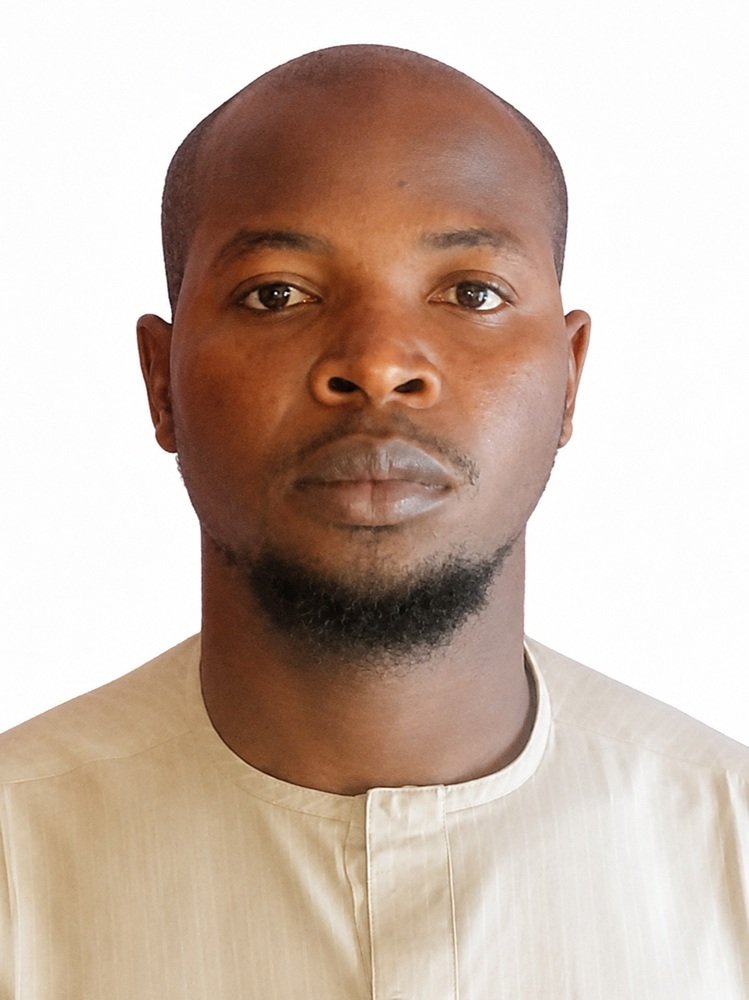
Abdullahi Shagari
Northern Regional Stakeholder
Victoria Eze
Southern Regional Stakeholder
Lawan Maigana
Communications and Knowledge Manager
Jacob Andrew
Administrative Officer
Flora Mahinmi
Communications and Knowledge Manager
Mary Oloje
Program/Admin Associate
Our Partners
FAQs
Frequently Asked Questions
What is Nigeriaβs Human Capital Development Strategy 2.0?
With over 200 million people and a median age of 18, Nigeriaβs greatest asset is its young population. Investing in health, education, and skills development will unlock economic growth, reduce poverty, and position Nigeria as a competitive global economy.
Why is human capital development critical for Nigeria?
Strategy 2.0 focuses on four interconnected pillars:
- Quality Education Improving learning outcomes and access
- Healthcare for All Reducing maternal/child mortality and ensuring universal health coverage
- Economic Empowerment Creating jobs and entrepreneurship opportunities
- Social Protection Providing safety nets for vulnerable populations
How does Strategy 2.0 differ from Strategy 1.0?
HCD 2.0, approved by the National Economic Council (NEC) in 2024, represents the programmeβs second and more ambitious phase. It builds on the foundations of HCD 1.0 by introducing clear national targets. Some of these key targets include:
- Increasing literacy rate to 90%
- Reducing maternal mortality to 40-100 per 100,000 live births
- Halve childhood stunting from 44% to 22% by 2030
- Creating 10 million new jobs
- Lifting 50 million people out of poverty
- Improving Nigeriaβs Human Capital Index ranking to top 80 countries globally
How is progress being measured?
HCD 2.0 has a dedicated Data and MEAL (Monitoring, Evaluation, Accountability, and Learning) workstream that tracks progress against specific indicators aligned with the global Human Capital Index (HCI). The robust M&E framework tracks:
- World Bank Human Capital Index score
- Statelevel HCD scorecards
- Sectoral indicators (enrollment rates, health outcomes, employment figures)
- Annual progress reports and data dashboards
- Citizen feedback mechanisms
- Independent evaluations by research institutions
What role does the private sector play?
The private sector is crucial for:
- Investing in skills development and vocational training programs
- Providing internships, apprenticeships, and job opportunities
- Supporting healthcare infrastructure through CSR initiatives
- Partnering on education technology and innovation
- Creating sustainable employment opportunities
- Contributing to innovation in service delivery
How can Civil Society Organizations contribute?
The private sector is crucial for:
- Investing in skills development and vocational training programs
- Providing internships, apprenticeships, and job opportunities
- Supporting healthcare infrastructure through CSR initiatives
- Partnering on education technology and innovation
- Creating sustainable employment opportunities
- Contributing to innovation in service delivery
How can individuals support this strategy?
The private sector is crucial for:
- Investing in skills development and vocational training programs
- Providing internships, apprenticeships, and job opportunities
- Supporting healthcare infrastructure through CSR initiatives
- Partnering on education technology and innovation
- Creating sustainable employment opportunities
- Contributing to innovation in service delivery