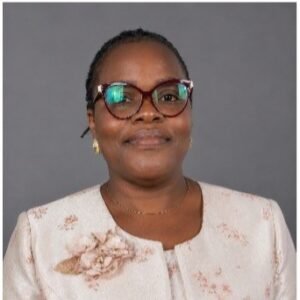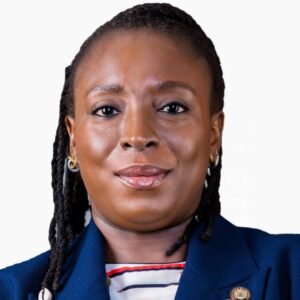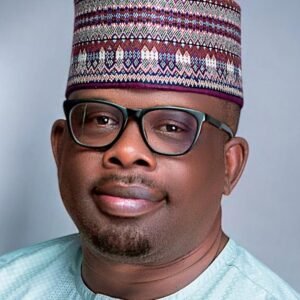
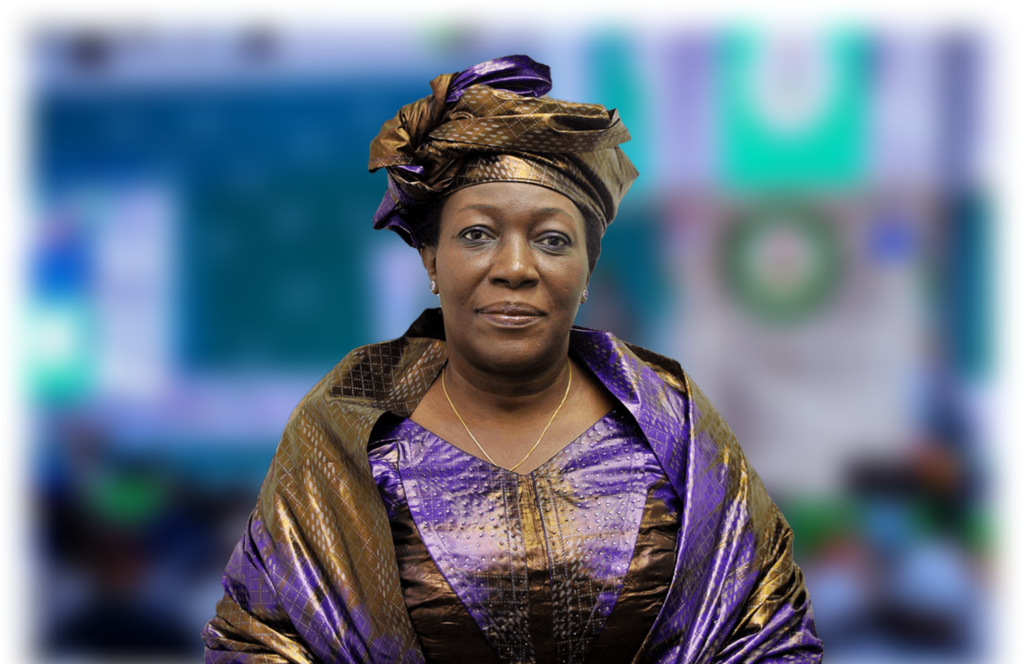
In a spirited, cross-continental virtual dialogue on advancing Human Capital Development (HCD) in Nigeria and West Africa, Madam Finda Koroma, former Vice President of the ECOWAS Commission and now Chief Executive Officer (CEO) of Africa HCD+, laid out a sweeping vision for building policy capacity across the region. Her rallying cry was clear: “We need to use Nigeria as a proxy for regional change, and that change must be driven by data.”
The meeting, held between the Office of the Vice President of Nigeria, international partners from the Hertie School of Governance in Germany, and key development actors, spotlighted Nigeria’s emerging leadership role in translating human capital ambitions into measurable, scalable reforms. At the heart of the agenda was a critical, often overlooked ingredient: reliable, high-quality data.
“We want decisions to be based on timely and quality data, which is absent. If we can inculcate that in Nigeria, we will change the entire narrative around policymaking in this region,” Madam Koroma stated.
During her tenure at ECOWAS, she helped mobilise funding for HCD across multiple West African states. That legacy continues as she now drives a new wave of collaborations with global think tanks, including the Bill & Melinda Gates Foundation, GIZ, and possibly the Mastercard Foundation, to invest in capacity-building initiatives that empower Nigerian and regional policymakers.
Among the landmark efforts she highlighted were the design of a dedicated HCD Survey with the National Bureau of Statistics (NBS) and a citizen-generated data tool co-developed with Stellenbosch University to improve accountability and transparency in governance. She also pointed to ongoing negotiations with GIZ to support both bilateral and ECOWAS-level training programmes, including potential joint training-of-trainers workshops in Nigeria and Germany.
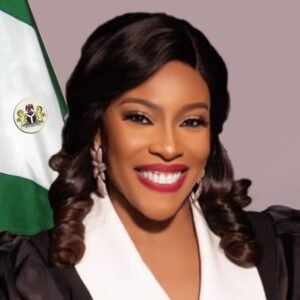
In her remarks, Ms. Rukaiya el-Rufai, Special Adviser to the President on the National Economic Council (NEC) and Climate Change, and National Coordinator of the HCD Programme, echoed Madam Koroma’s long-standing commitment to the cause. “She has been one of our most humble and reliable partners since her days at ECOWAS. Much of the funding our states benefit from today was built on the foundation she helped lay,” Ms. el-Rufai noted.
The German delegation, led by Dr. Bernhard Knoll-Tudor, Ms. Susan Gosling, and Dr. Rolf Alter from the Hertie School, stressed the urgency of moving from data collection to policy execution. “Investment in infrastructure is important,” said Dr. Alter, “but investment in people, that is the key to lasting impact.”
A critical next step, according to the conversation, would be aligning this work with Nigeria’s upcoming Voluntary National Review (VNR) for 2025, a formal United Nations (UN) process in which member states report on progress toward the Sustainable Development Goals. Dr. Alter suggested that Nigeria’s leadership in regional HCD training should feature prominently in that report, not just as a national achievement, but as a shared learning model for Africa.
“It is not about complaining about the lack of data,” he said. “It is about showing that Nigeria is building the solution, not just for itself, but for others.”
Madam Koroma also urged stronger engagement with the private sector, particularly mining companies, banks, and sectoral associations, to support evidence-based policymaking. “If every business depends on policies shaped by the government, then they have a stake in ensuring those policies are informed by solid data,” she said.