Considering the revelations of the sobering 2018 Human Capital Index, Nigeria is committed to charting a new course with the launch and evolution of its National Human Capital Development (HCD) Programme. Now rebranded and revitalised as HCD 2.0, this transformative agenda represents more than just policy continuity. It signals a new era of intentional investment in the lives, skills, and future productivity of Nigerians.
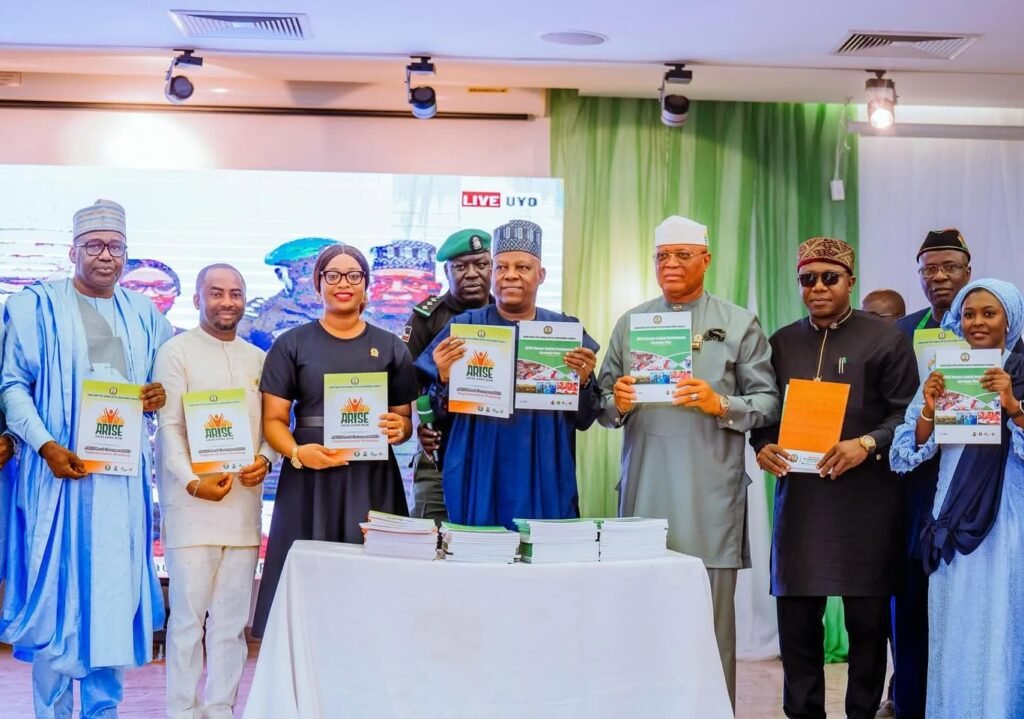
HCD 2.0 is the product of rigorous introspection. It follows a comprehensive reassessment of the first phase of the programme, identifying implementation gaps and missed opportunities that stunted previous impact. The newly revised strategy is aligned with President Bola Ahmed Tinubu’s ‘Renewed Hope’ Agenda and is steered by Vice President Kashim Shettima, who has played a major role since the original phase. His leadership is now central to the reinvigoration of a nationwide effort aimed at building a healthier, more educated, and more economically productive population. The urgency to invest in human capital has never been clearer.
According to the World Bank’s Human Capital Index (2018–2020), Nigeria continues to grapple with high child mortality rates, learning poverty, malnutrition, and health system inefficiencies, factors that all contribute to long-term economic drag. These indicators make the case that human capital development is not merely a social policy; it is a national economic imperative.
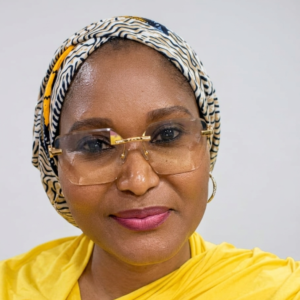
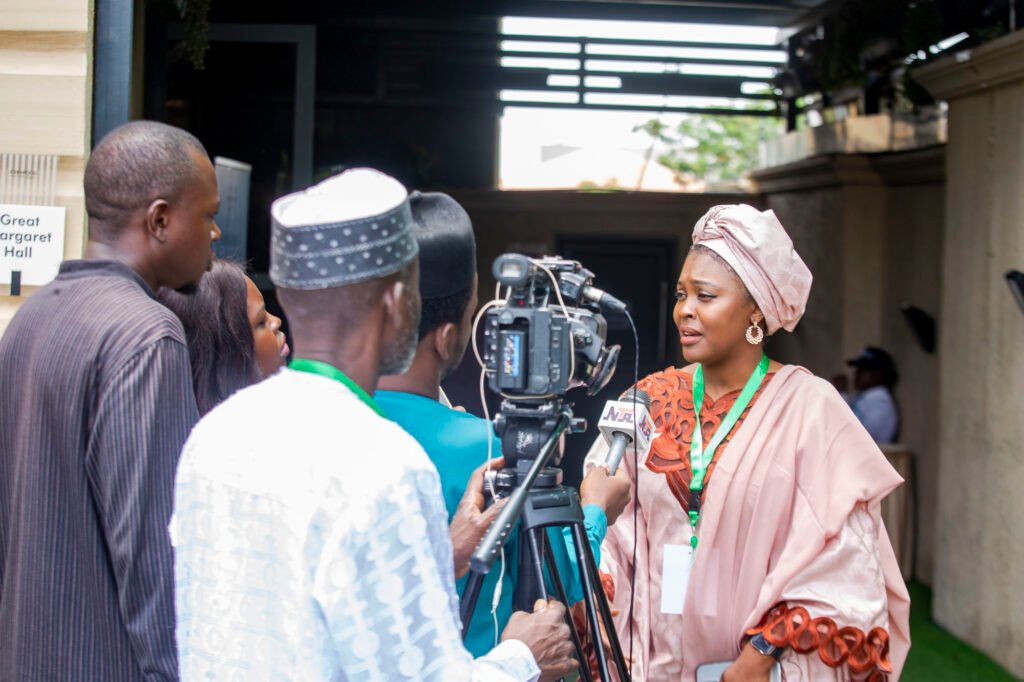
According to Rukaiya el-Rufai, Special Adviser to the President on NEC & Climate Change and National Coordinator, Human Capital Development in Nigeria, “HCD 2.0 goes beyond traditional education and healthcare reform. It integrates emerging trends in technology, entrepreneurship, and skills development to match the fast-paced demands of today’s global economy.
“It places a premium on outcomes: school-to-work transition, job readiness, gender equity, and scalable innovation. With a strategic emphasis on digital literacy, science, technology, engineering, and mathematics (STEM) education, maternal and child health, nutrition, and youth empowerment, the programme promises to unlock a demographic dividend in the coming decade.”
The economic rationale behind this pivot is compelling. Studies show that countries investing in human capital experience higher gross domestic product (GDP) growth rates, lower unemployment, and improved national competitiveness. Nigeria, with its vast youth population, more than 60 per cent under the age of 25, has the potential to become an economic powerhouse if it can convert this demographic into a skilled and healthy workforce.
In her words: “Yet real transformation requires more than policy declarations. HCD 2.0 is designed with a multi-sectoral framework that encourages partnerships between federal, state, and local governments, the private sector, donor agencies, and civil society. The programme is structured to be measurable, accountable, and results-driven. It embeds a robust monitoring and evaluation framework to track progress, ensuring that investments in people translate into real socio-economic outcomes.”
“The Vice President’s leadership reflects a strong political will to make human development a top-tier priority. His previous track record as the Governor of Borno State, where he invested in education and health despite conflict-related challenges, underscores his credibility in pushing this national agenda forward,” she also said.
As Nigeria confronts the dual challenges of economic uncertainty and a growing population, HCD 2.0 offers a roadmap for inclusive growth. It positions human capital not just as a sectoral priority but as the cornerstone of Nigeria’s future prosperity. Now is the time for stakeholders, from ministries to multinational firms, to align with this vision. Human capital development is no longer a policy option; it is Nigeria’s most strategic investment, according to el-Rufai.